
The Rudanovsky History
About the
Rudanovsky Family
The Rudanovsky family traces its roots through centuries of cultural engagement, intellectual curiosity, and international connections woven between Europe and Russia.
Over generations, members of the family have played diverse roles — as collectors, patrons of the arts, diplomats, and custodians of heritage — leaving a legacy that intersects with both historical institutions and world-class cultural treasures.
At its heart, the Rudanovsky legacy lies in a deep respect for history, beauty and preservation. But the same clarity of judgment that once guided the acquisition and stewardship of art collections is reflected today in the family’s modern relationship with capital, investment and long-term value creation.
Where earlier generations protected cultural assets, today we apply that same discipline to financial architecture, business strategy and the responsible deployment of capital across borders.
Through this site, we honour that legacy — preserving ancestral achievements, documenting personal stories, and connecting past generations with the present. It also reflects how history continues to shape our worldview: an understanding that capital, like heritage, must be protected, grown and passed on with intention.
This is more than a genealogical record — it is a tribute to the people, places and passions that shaped the Rudanovsky identity, and a recognition that our story continues today through the work we do, the enterprises we build and the value we create for future generations.
XIV Century
Esterka &
Casimir
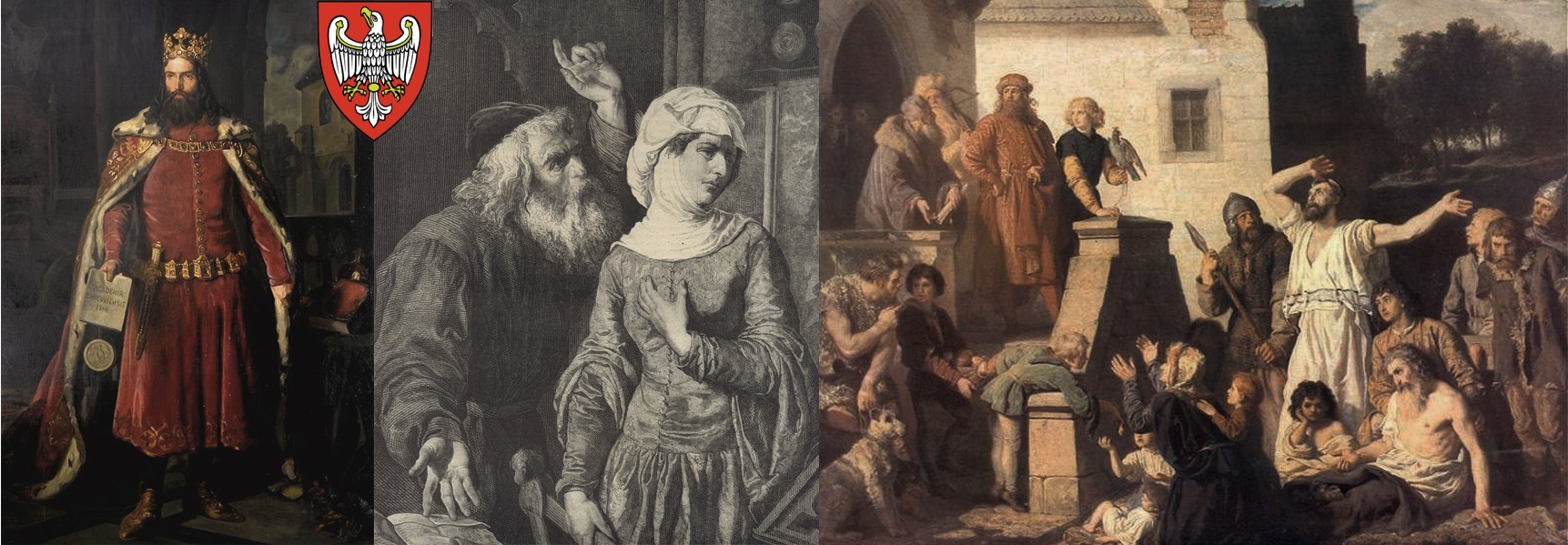
Esterka was a legendary Jewish mistress of Casimir the Great, the King of Poland between 1333 and 1370. She was the daughter of a poor tailor from Opoczno named Rafael.
According to the legend, Casimir was loyal to the Jews and encouraged them. Casimir was called the Great King for his intelligence and bright vision.
The sons of King Casimir by Esterka, Pelko and Nemir, were said in the legend to have been baptized at the request of their father. The two became ancestors of several Polish noble families.
To develop legal and commercial relations between Jews, Poles, and Germans, Pelko was sent to Kraków, and in 1363 his brother Nemir was sent to Ruthenia to establish a new knightly order, which later became the patrimonial nest of the Rudanovsky dynasty.
The name Rudanovsky was taken from the Rudawa River, the place of Esterka’s burial mound.
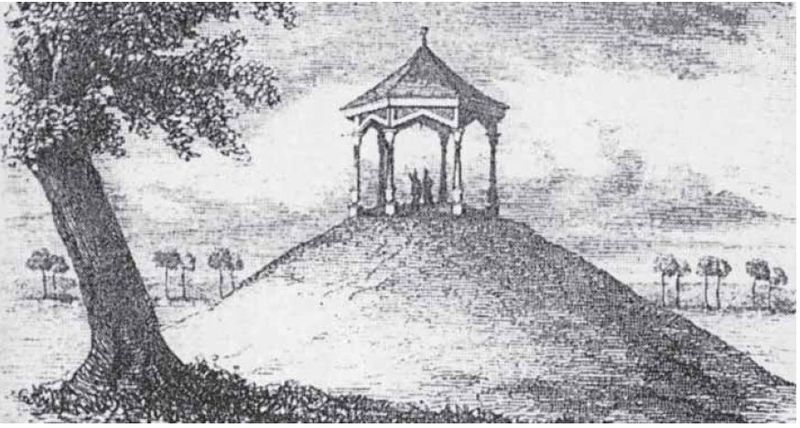
Esterka Mound was situated on the Rudawa River, more than 3 km to the northwest of Wawel Hill in the gardens of the royal palace at Łobzów.
The mound was excavated at the end of the 18th century on the initiative of King Stanisław August Poniatowski in the belief that it would contain Esterka’s medieval grave.
The mound was completely destroyed in the 1950s during the construction of a sports stadium.
Beginning at the court of Catherine the Great, the Rudanovsky family became part of the changing cultural landscape of Imperial Russia.
Late XVIII Century
The Imperial
Court
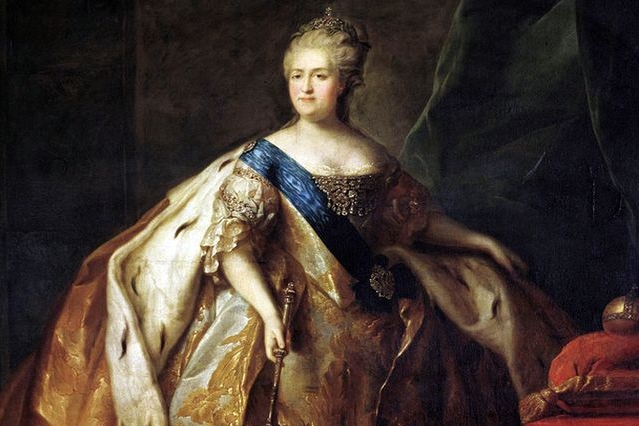
Beginning at the court of Catherine the Great, Russia’s most progressive female Empress, the Rudanovsky family played an integral part in both the shape and direction of Russian culture.
Since the late 1700s, the Rudanovsky family maintained a consistent presence among the more culturally progressive aristocracy.
As part of the royal court of Catherine II, Marina Rudanovsky and her descendants became part of Russia’s transition into one of the world’s most influential empires.
Napoleon & the Sancy
The French Revolution of the 1790s had led to the destruction of most of the ancient French Crown Jewels, along with the eventual abolition of the French monarchy and the execution of King Louis XVI and Queen Marie Antoinette.
Originally, the crown of Louis XV of France was supposed to have a completed collection of the Mazarin Diamonds, the Sancy diamond in the fleur-de-lis at the top of the arches, and the “Regent” diamond, as well as hundreds of other precious diamonds, rubies, emeralds and sapphires.
However, the Sancy diamond was not in the crown on the day of coronation. It was in the collection of Vasily Rudanovsky — a Russian art collector, who bought the diamond during the French Revolution and then sold it to Prince Demidoff.
Despite the fact that Napoleon had managed to retrieve the “Regent” diamond from Russia, the absence of the “Sancy” was irritating. Diamonds had sacred royal meaning, and without it the Pope risked being ridiculed by Napoleon’s court.
When Napoleon I declared himself Emperor of the French a decade later, he decided to create new Imperial regalia, the centerpiece of which was his Charlemagne crown.
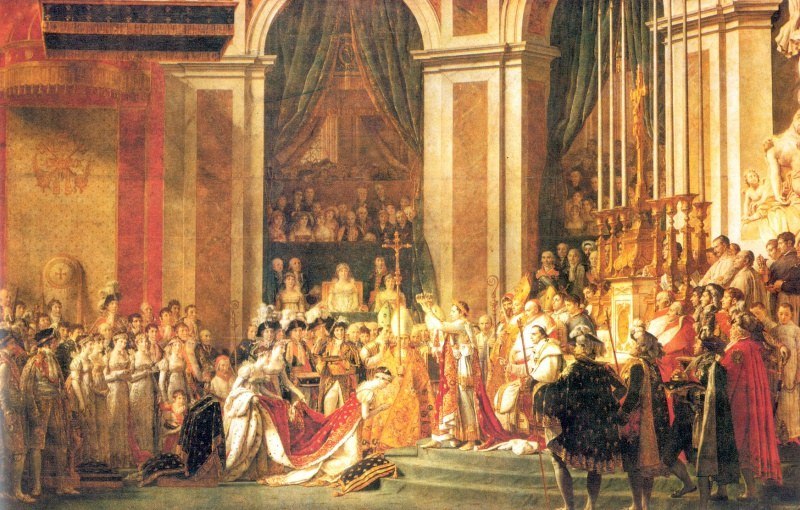
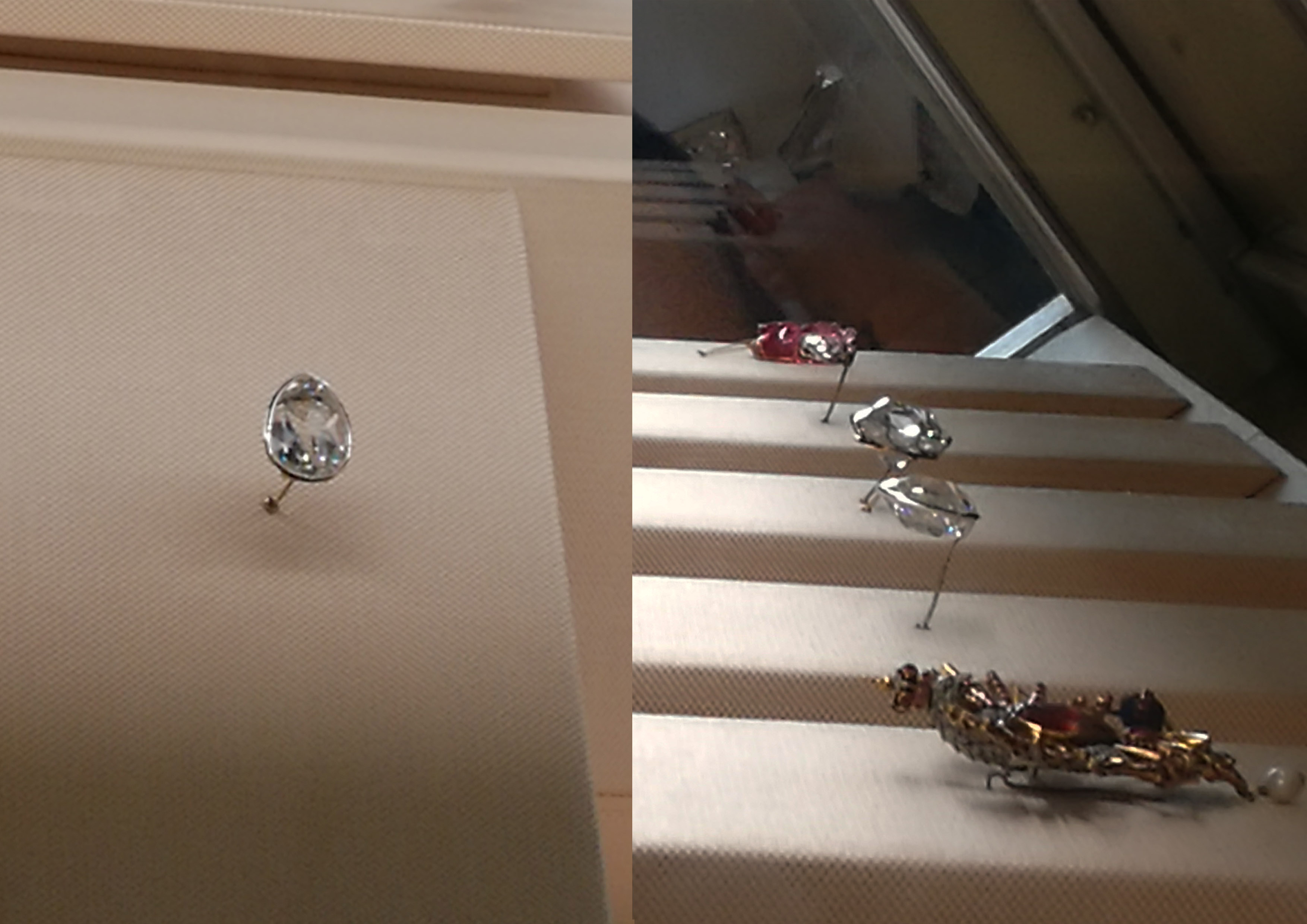
Diamonds, jewellery and the history of collecting across generations.
Nevskiy 62
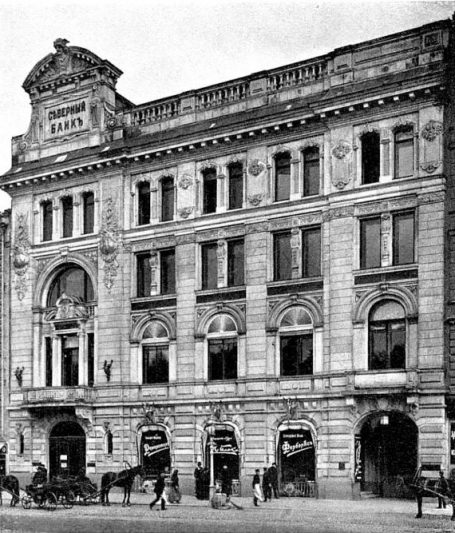
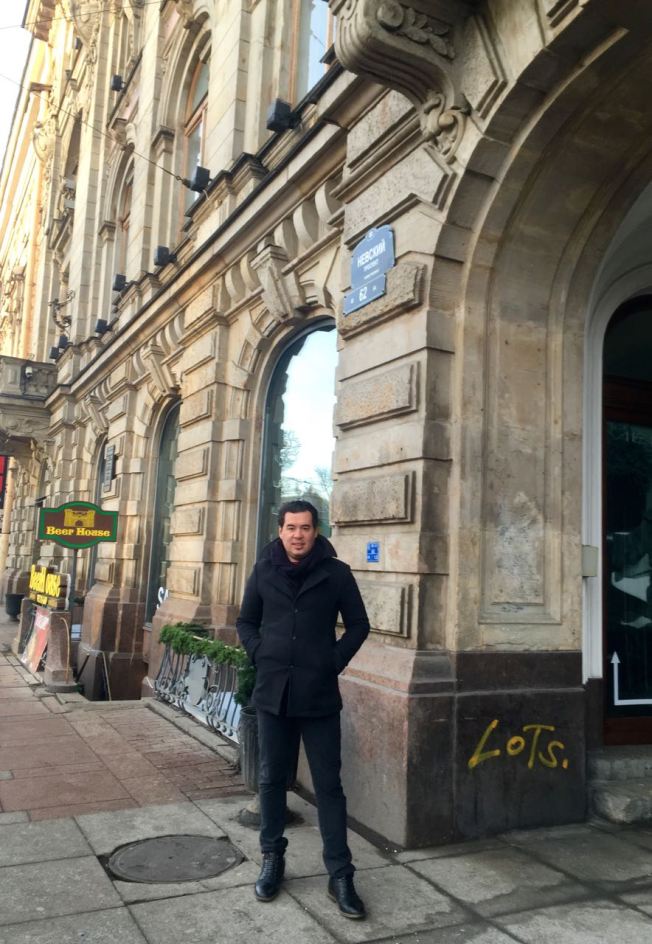
A.K. Rudanovsky opened his first antique boutique in 1905 at Nevskiy Avenue 62, Central Petrograd (St Petersburg).
Jewellery
Rudanovsky
& Faberge
Mr Rudanovsky became a close friend and partner of Agathon Faberge, the son of the famous Imperial jeweller to the Russian Tsars, Karl Faberge.
Carl Faberge and the Faberge family were sponsored by the Russian Imperial Family.
A.K. Rudanovsky, together with Agathon Faberge, who was the wealthiest son of Carl Faberge, took advantage of Faberge’s connections to the Imperial Family and quickly became among the largest private dealers in art, antiques and jewellery in Russia.
The dacha of Agathon Faberge was commonly referred to as “The Small Hermitage”.
Russia · 1917
The World
Changes
With the onset of the Communist Revolution in 1917, the Russian art and financial community went into panic mode. Aristocrats flocked to the partners A.K. Rudanovsky and Agathon Faberge to convert their art and antiques to cash.
Rudanovsky and Faberge rapidly accumulated one of the finest art and antique collections in Russia and Europe.
Rudanovsky and Faberge immediately donated large portions of this newly acquired art to museums, mainly the Hermitage, while the rest was hidden at Agathon’s dacha with the aim of protecting it for future generations.
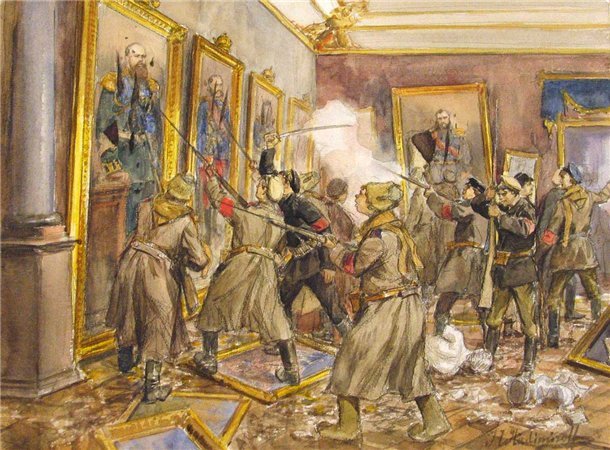
At the beginning of the revolution, the communists had little interest in art and antiques, since they had little appreciation of art, did not understand it and could not define its real value.
That became a real issue when they tried to deal with foreign buyers and participate in auctions abroad. At the auctions, Russian aristocratic refugees could easily recognize art that belonged to them, and the communists had difficulties with official sales.
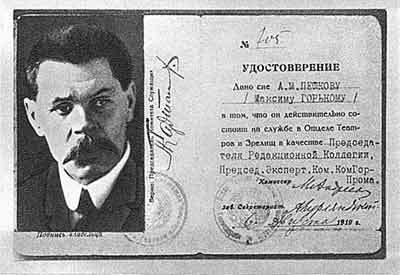
Maxim Gorky was a famous Russian writer who supported the revolution. Gorky’s wife, Maria Fyodorovna Andreyeva, was highly interested in art, antiques and jewellery.
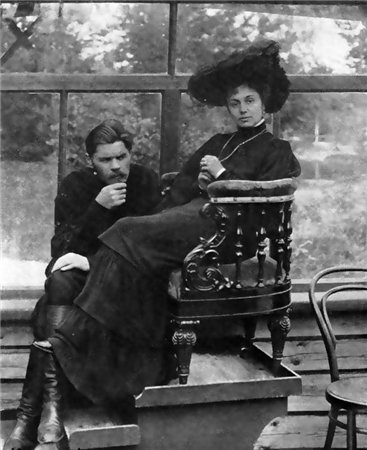
Art, antiques and jewellery became entangled with the upheaval of revolutionary Russia.
Revolution
Preservation
& Escape
Gorky and the communists asked A.K. Rudanovsky and Agathon Faberge to head this new special art commission and to donate their personal art collections to the communists.
Rudanovsky and Faberge agreed to lead the commission but refused to share any of their collections.
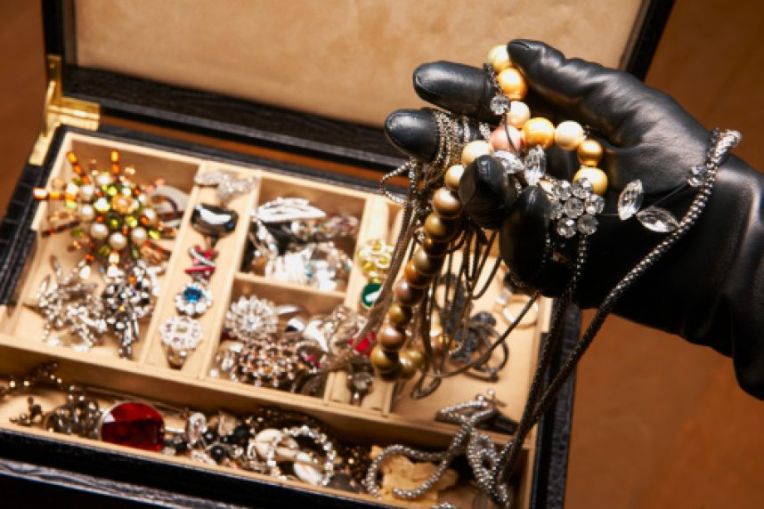
When they began to work with confiscated antiques, warehouses were filled with sacks of confiscated jewellery. The communists then decided to break apart collected masterpieces and sell the gold and diamonds separately.
A.K. Rudanovsky and Agathon Faberge were almost blinded by the shine of the diamonds as they assessed each piece. After a while, they were thrown into jail for falsification of prices. For the Bolsheviks, everything they did was overpriced.
Rudanovsky was in jail for a few weeks and Faberge for one year. The communists made the tactical mistake of not plundering the houses of Rudanovsky and Faberge before they released Rudanovsky from jail.
Once Rudanovsky was released from jail, he immediately collected the most valuable pieces from both his own house and the house of Agathon Faberge and gradually, through fellow diplomats, transported them to Finland, pending the release of his friend Faberge from prison.
Upon Faberge’s release from prison, A.K. Rudanovsky and Faberge collected their easily transportable valuables and, on a December night in 1927, fled over the frozen Gulf to Finland.
Rudanovsky carried a large collection of diamonds, paintings and a collection of 34 Faberge flowers. Faberge, who was a renowned philatelist, managed to include his world-famous stamp collection and paintings. Red Guards fired at the fugitives, wounding Agathon.
Across the Frozen Gulf
Sancy
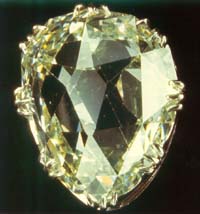
According to KGB official files, A.K. Rudanovsky was suspected to be in possession of the famous “Sancy Diamond” at the time of the revolution.
The Bolsheviks tried but failed to confiscate this diamond by imprisoning Rudanovsky for two weeks.
Rudanovsky had apparently already sold the “Sancy Diamond” to the English Lord Astor before the revolution.